The Best Fuchsia Companion Plants To
The Best Fuchsia Companion Plants
Fuchsias are beautiful and colorful flowers that can add a touch of elegance to any garden. They are relatively easy to care for and can thrive in a variety of conditions. However, fuchsias can benefit from having companion plants nearby. Companion planting is the practice of planting different types of plants together for their mutual benefit. By planting fuchsias with the right companion plants, you can help them to grow healthier, bloom more profusely, and deter pests and diseases.
Here are some of the best companion plants for fuchsias:
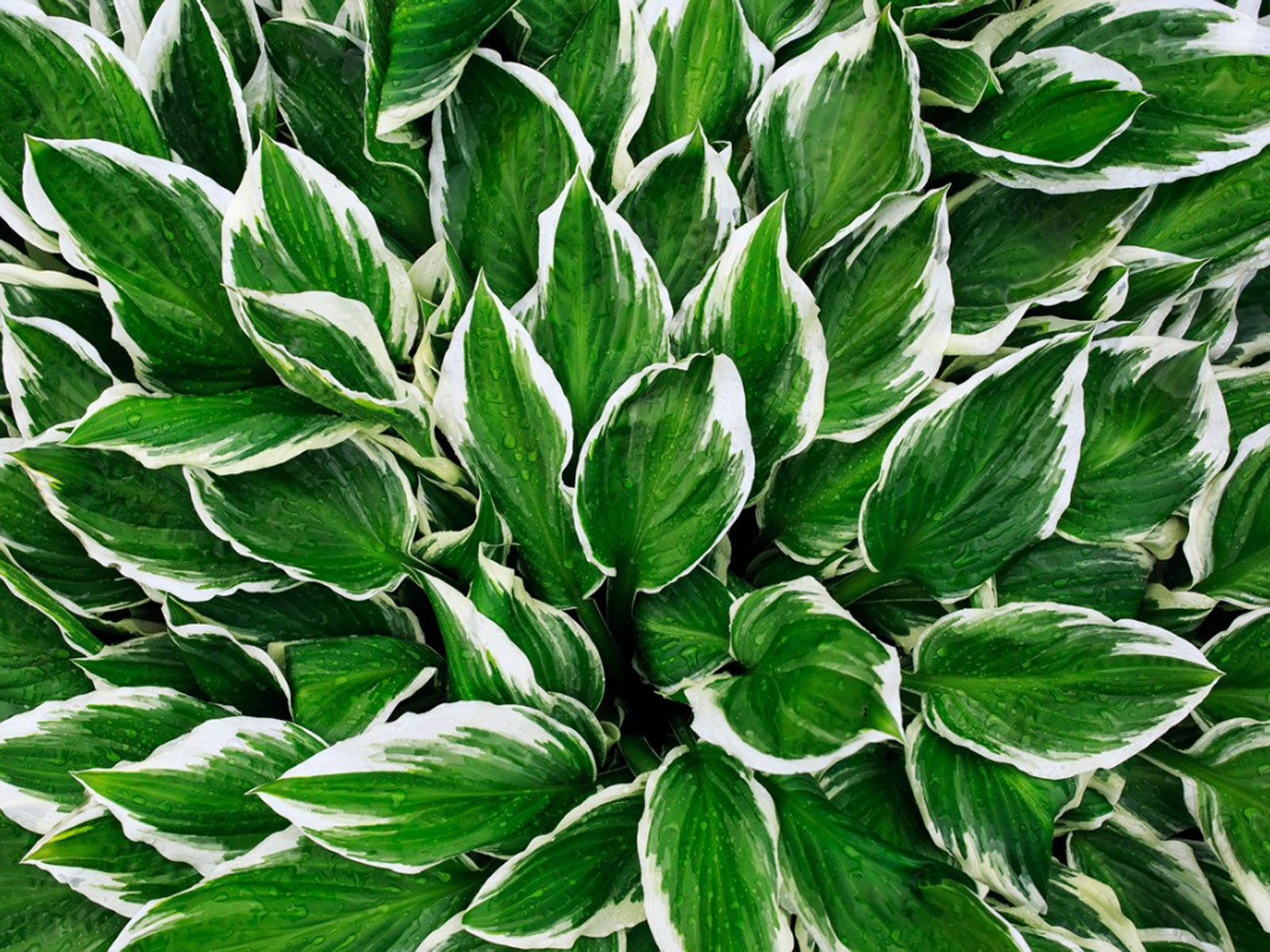
- Hostas are shade-loving plants with large, glossy leaves that provide a striking contrast to the delicate flowers of fuchsias. They also help to suppress weeds and retain moisture in the soil.
- Coral bells are another type of shade-loving plant with colorful foliage. They come in a variety of colors, including red, pink, and yellow. Coral bells can help to fill in the spaces around fuchsias and add interest to the garden.
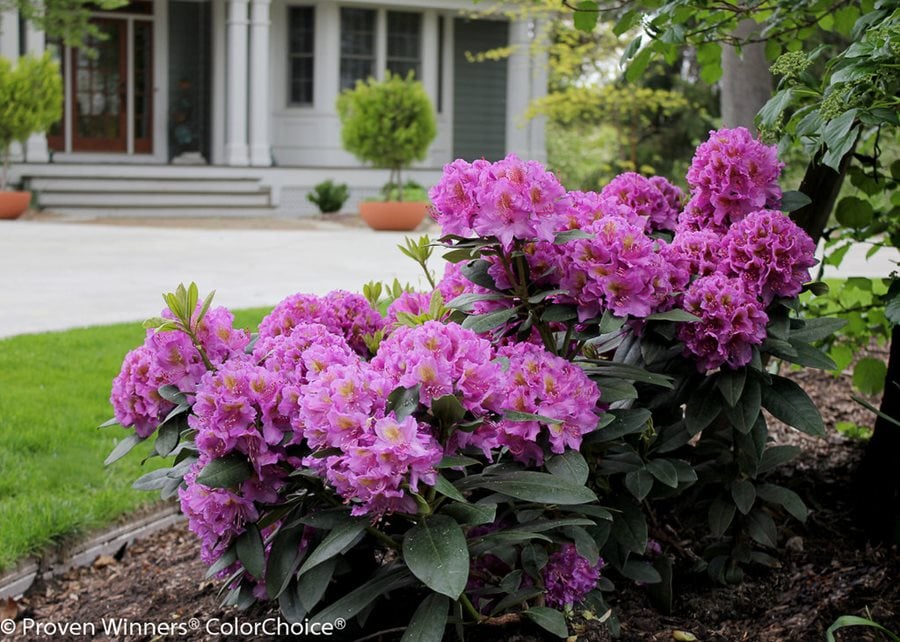
- Rhododendrons are evergreen shrubs that can provide year-round interest in the garden. They prefer acidic soil, which is also ideal for fuchsias. Rhododendrons can help to add height and structure to a fuchsia planting.
- Weigela is a deciduous shrub that blooms in the spring and summer with clusters of pink, red, or white flowers. It is a relatively fast-growing plant that can reach heights of 6 to 8 feet. Weigela can help to fill in the spaces around fuchsias and add color to the garden.

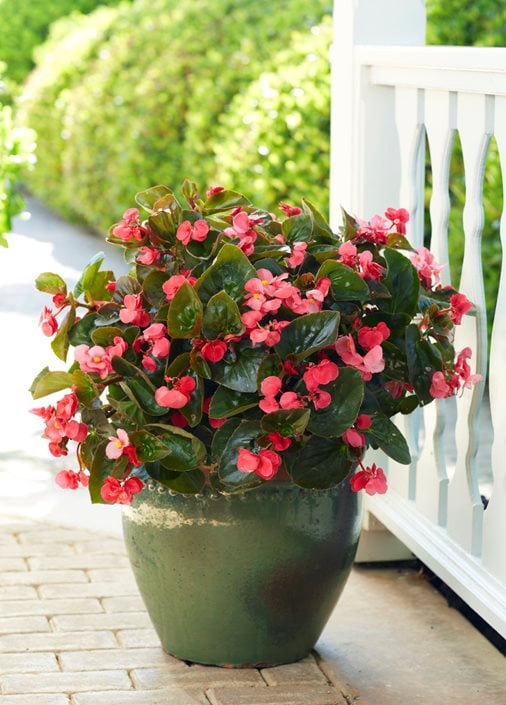
- Begonias are another type of shade-loving plant that comes in a variety of colors and sizes. They can be used to fill in the spaces around fuchsias and add interest to the garden. Begonias are also relatively easy to care for, making them a good choice for beginner gardeners.
- Nasturtiums are annual plants that are known for their bright orange, yellow, and red flowers. They are relatively easy to grow and can tolerate a variety of conditions. Nasturtiums can help to attract pollinators to the garden and deter pests.

- Lemon thyme is a perennial herb that has fragrant lemon-scented leaves. It can be used to add interest to a fuchsia planting and deter pests. Lemon thyme is also relatively easy to care for, making it a good choice for beginner gardeners.
When choosing companion plants for fuchsias, it is important to consider the following factors:
- Sunlight requirements: Fuchsias can tolerate a variety of light conditions, but they prefer partial shade. When choosing companion plants, make sure that they have similar sunlight requirements.
- Soil type: Fuchsias prefer moist, well-drained soil. When choosing companion plants, make sure that they have similar soil requirements.
- Height and spread: Fuchsias come in a variety of sizes. When choosing companion plants, make sure that they have similar heights and spreads so that they do not compete for space.
- Color: Fuchsias come in a variety of colors. When choosing companion plants, you can use color to create a cohesive look in your garden or to create a contrast that will highlight the fuchsias.
By considering these factors, you can choose the best companion plants for your fuchsias and create a beautiful and vibrant garden.
Fuchsias are beautiful flowering plants that can add a splash of color to any garden. But did you know that they can also benefit from being planted near other plants? That's right, fuchsias have a number of companion plants that can help them thrive.
Some of the best companion plants for fuchsias include:
- Hostas: These shade-loving plants provide a lush backdrop for fuchsias, and their large leaves help to protect the fuchsias' delicate flowers from the sun. Gardenia Inspiration
- Coral bells: These colorful perennials have similar growing requirements to fuchsias, and they can add a touch of brightness to any garden.
- Rhododendrons: These evergreen shrubs provide year-round interest in the garden, and their flowers can complement the fuchsias' blooms.
- Weigela: This flowering shrub is known for its showy blooms, which can attract butterflies and other pollinators.
- Begonias: These colorful plants come in a variety of shapes and sizes, and they can be used to create a stunning display with fuchsias.
If you're looking for ways to improve the health and appearance of your fuchsias, consider planting them near some of these companion plants. For more information about fuchsia companion plants, please visit Gardenia Inspiration.
FAQ of fuchsia companion plants
Question 1: What are some good companion plants for fuchsias?
Answer: Fuchsias are shade-loving plants that can be grown in a variety of conditions. Some good companion plants for fuchsias include:
- Begonias: Begonias come in a variety of colors and sizes, and they can add a splash of color to any garden. They also have similar water and soil requirements as fuchsias.
- Coleus: Coleus is another colorful plant that can be grown in shade or sun. It is known for its brightly colored leaves, which can add a pop of contrast to fuchsias.

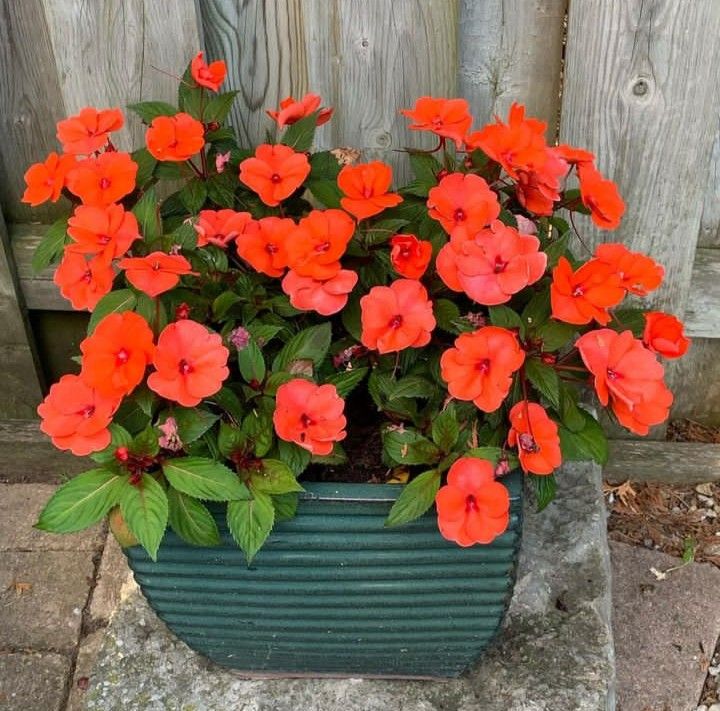
- Impatiens: Impatiens are another shade-loving plant that is easy to care for. They come in a variety of colors, including pink, red, white, and purple.
- Lobelia: Lobelia is a small, flowering plant that is known for its blue and purple flowers. It can add a touch of elegance to any garden.
- Salvia: Salvia is a drought-tolerant plant that comes in a variety of colors, including blue, purple, pink, and white. It can add a touch of height and interest to any garden.
Question 2: What are the benefits of companion planting with fuchsias?
Answer: There are several benefits to companion planting with fuchsias. For example, companion plants can help to:
- Attract pollinators: Some companion plants, such as begonias and impatiens, attract pollinators such as bees and butterflies. These pollinators help to pollinate fuchsias, which can lead to more flowers and fruit.
- Discourage pests: Some companion plants, such as marigolds and nasturtiums, can help to discourage pests such as aphids and whiteflies. These pests can damage fuchsias, so companion planting can help to protect them.
- Improve soil quality: Some companion plants, such as beans and peas, can help to improve soil quality by fixing nitrogen. This can benefit fuchsias, as they prefer well-drained, nutrient-rich soil.
- Create a more visually appealing garden: Companion planting can help to create a more visually appealing garden by adding variety in terms of color, texture, and height. This can make your garden more interesting and inviting.
Question 3: What are some plants that should not be planted near fuchsias?
Answer: There are a few plants that should not be planted near fuchsias. These include:
- Hostas: Hostas can attract slugs and snails, which can damage fuchsias.
- Rhododendrons: Rhododendrons can be susceptible to the same diseases as fuchsias, so planting them together can increase the risk of infection.
- Vines: Vines can shade out fuchsias, preventing them from getting enough sunlight.

- Tall plants: Tall plants can block the sunlight from reaching fuchsias, which can stunt their growth.
Question 4: How far apart should fuchsias be planted?
Answer: The distance at which fuchsias should be planted apart depends on the size of the plants. For smaller fuchsias, you should plant them about 12-18 inches apart. For larger fuchsias, you should plant them about 24-36 inches apart.
Question 5: When should fuchsias be planted?
Answer: Fuchsias can be planted in the spring or fall. If you are planting them in the spring, wait until the weather has warmed up and the risk of frost has passed. If you are planting them in the fall, wait until the weather has cooled down and the ground is no longer too wet.
Image of fuchsia companion plants
- Hosta is a shade-loving perennial that can help to add some height and structure to a fuchsia planting. The large, heart-shaped leaves of hosta provide a nice contrast to the delicate flowers of fuchsia.
- Coral bells is another shade-loving perennial that is a good companion plant for fuchsia. The coral-colored flowers of coral bells add a splash of brightness to a fuchsia planting, and the foliage of coral bells also provides some contrast.
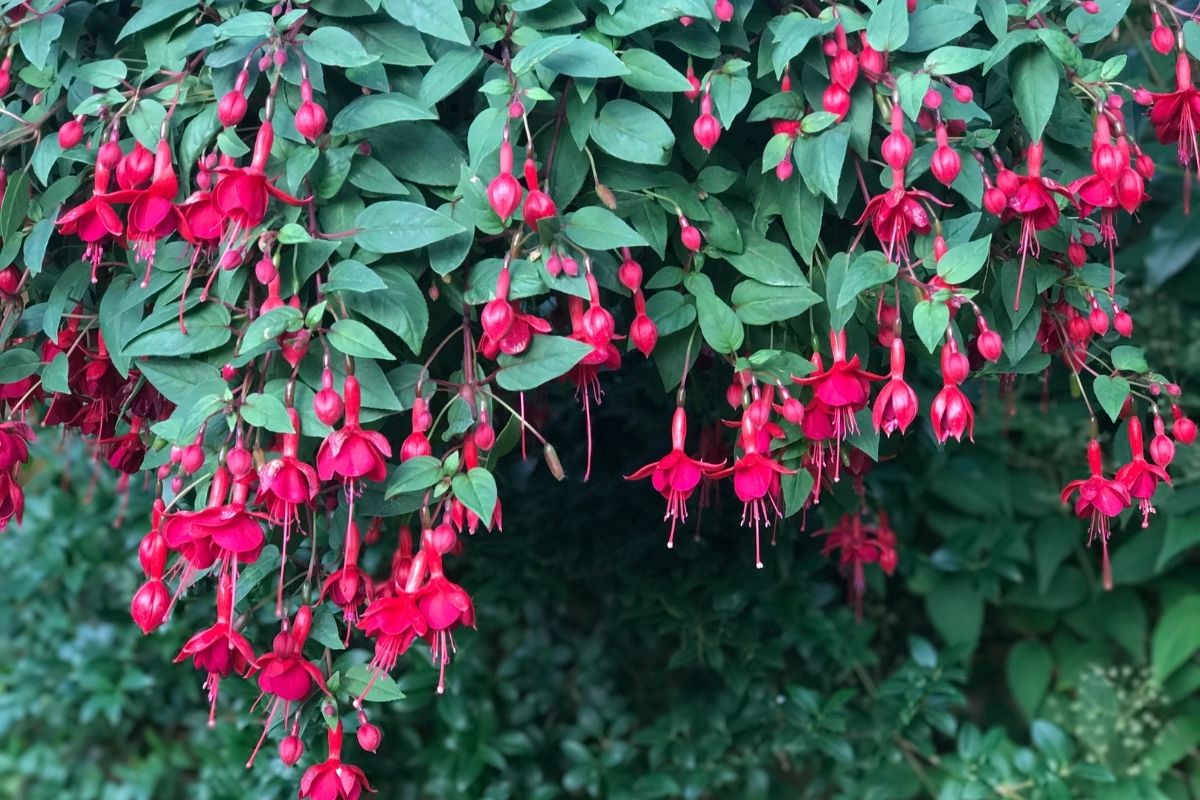
- Hellebore is a winter-blooming perennial that can add some interest to a fuchsia planting during the colder months. The dark green foliage of hellebore provides a nice backdrop for the fuchsia flowers, and the hellebore flowers themselves can range in color from white to pink to purple.

- Begonia is an annual or perennial plant that comes in a wide variety of colors and sizes. Begonias can be grown in full sun or partial shade, and they make good companion plants for fuchsias because they have similar growing requirements.
- Petunia is another annual plant that is a good companion for fuchsia. Petunias come in a wide variety of colors, and they can be grown in full sun or partial shade. Petunias and fuchsias both have delicate flowers, so they can be planted together to create a soft and airy look.


Post a Comment for "The Best Fuchsia Companion Plants To"