Herbs That Can Be Planted Together For A Flavorful And Fragrant Garden
Herbs are a great way to add flavor and fragrance to your food, and they can also be used for medicinal purposes. If you're planning on planting an herb garden, it's important to know which herbs can be planted together. Some herbs thrive when they're planted near each other, while others can compete for resources and stunt each other's growth.
In this blog post, we'll discuss some of the best herbs to plant together, as well as some herbs that should be avoided planting together. We'll also provide some tips for companion planting, which is the practice of planting certain herbs together to benefit each other.
Which Herbs Can Be Planted Together?
Here are some of the best herbs to plant together:
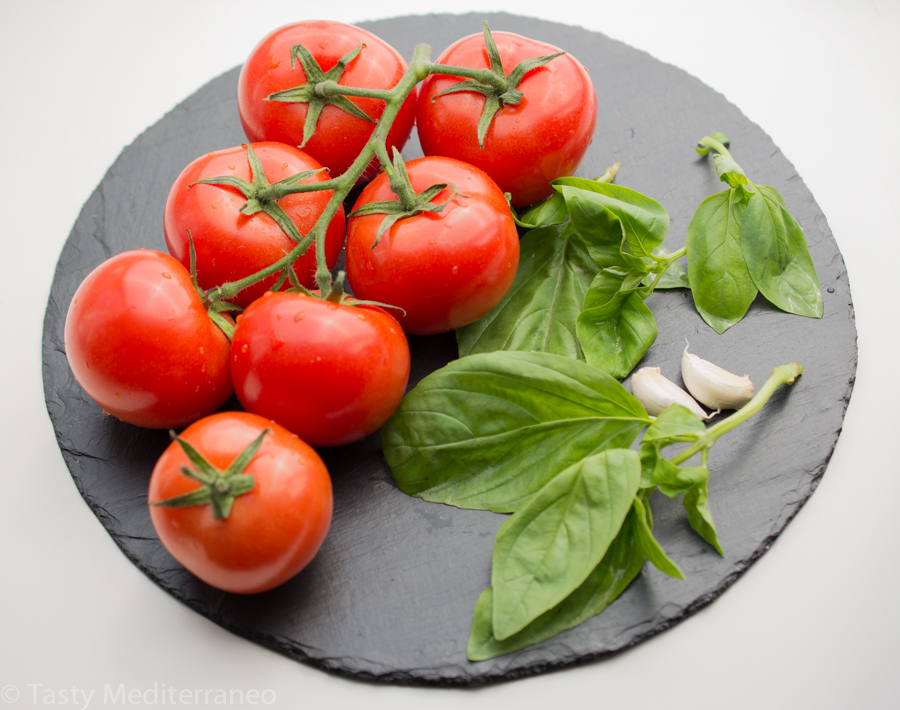
- Basil and tomatoes: Basil and tomatoes are a classic combination that is both flavorful and attractive. Basil helps to deter pests from tomatoes, and tomatoes provide the perfect growing conditions for basil.
- Chives and roses: Chives help to repel aphids and other pests from roses, and roses provide the perfect amount of shade for chives.

- Cilantro and carrots: Cilantro helps to deter carrot flies from carrots, and carrots provide the perfect growing conditions for cilantro.

- Lavender and mint: Lavender helps to repel mosquitoes and other insects from mint, and mint helps to improve the drainage of lavender.

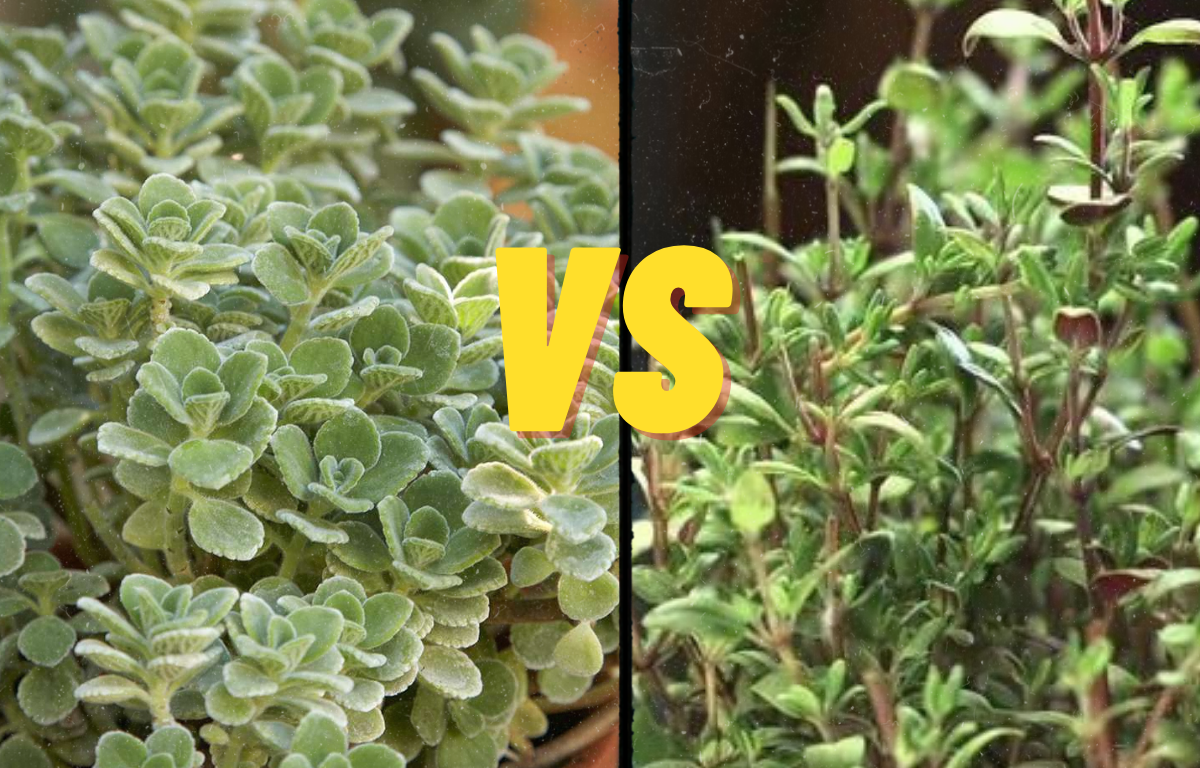
- Oregano and thyme: Oregano and thyme are both Mediterranean herbs that thrive in full sun and well-drained soil. They can be planted together in a garden bed or in pots, and they can help attract beneficial insects like bees and butterflies.
- Parsley and sage: Parsley and sage are both hardy herbs that can tolerate different soil conditions. They can be planted together in a garden bed or in pots, and they can add flavor and fragrance to your dishes.

Herbs to Avoid Planting Together
While there are many herbs that can be planted together, there are also a few that should be avoided. Here are a few examples:
- Mint: Mint is a very aggressive grower and can quickly take over a garden bed. It's best to plant mint in its own pot or container.
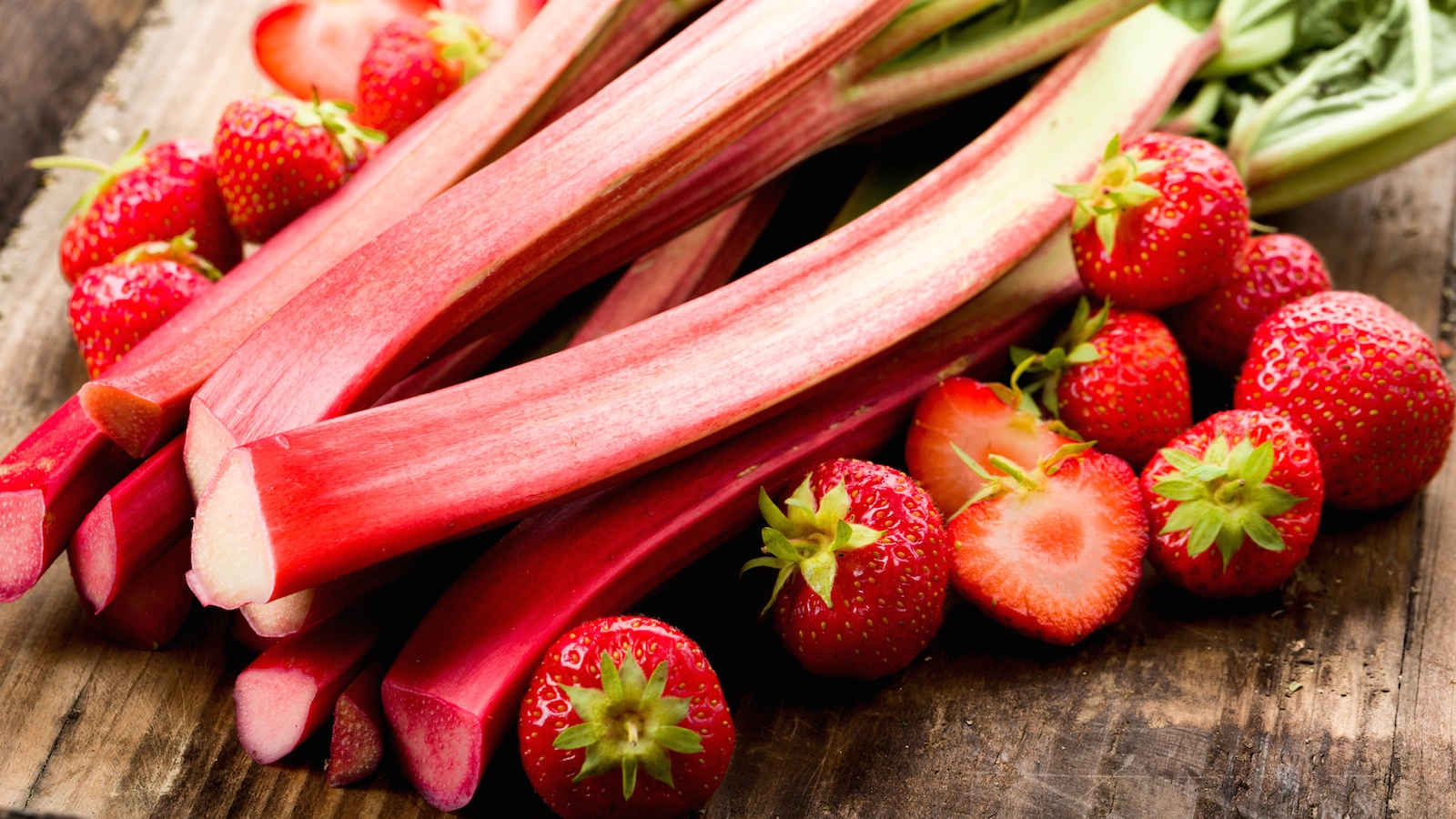
- Rhubarb and strawberries: Rhubarb produces a chemical that can stunt the growth of strawberries. It's best to avoid planting these two herbs together.
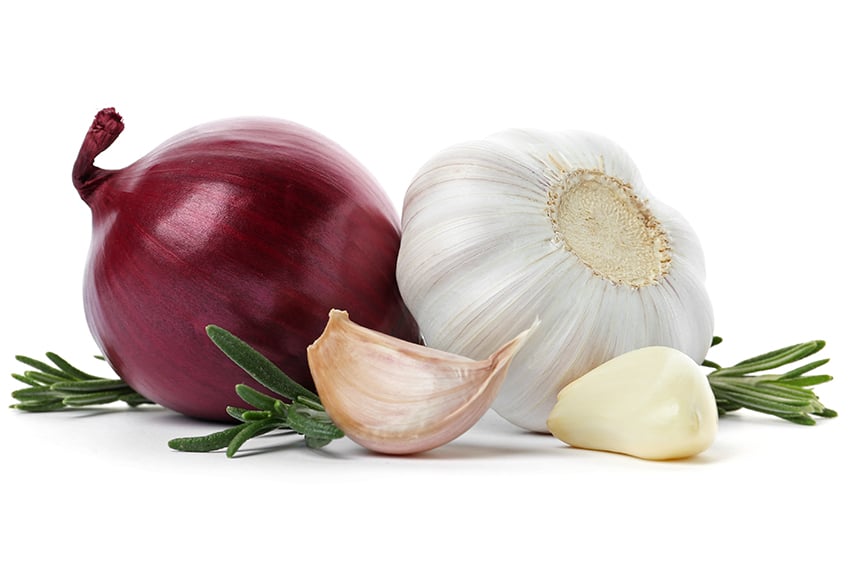
- Onions and garlic: Onions and garlic can release chemicals that can inhibit the growth of each other. It's best to avoid planting these two herbs together.
Companion Planting
Companion planting is the practice of planting certain herbs together to benefit each other. For example, basil can help to deter pests from tomatoes, and chives can help to repel aphids from roses.
Here are some other examples of companion planting:
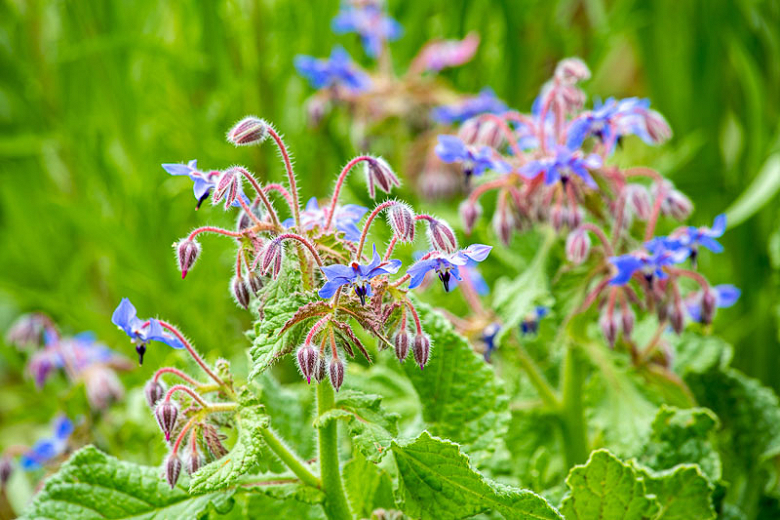
- Borage: Borage attracts bees and butterflies, which can help to pollinate your other plants.
- Catnip: Catnip repels mosquitoes and other insects.

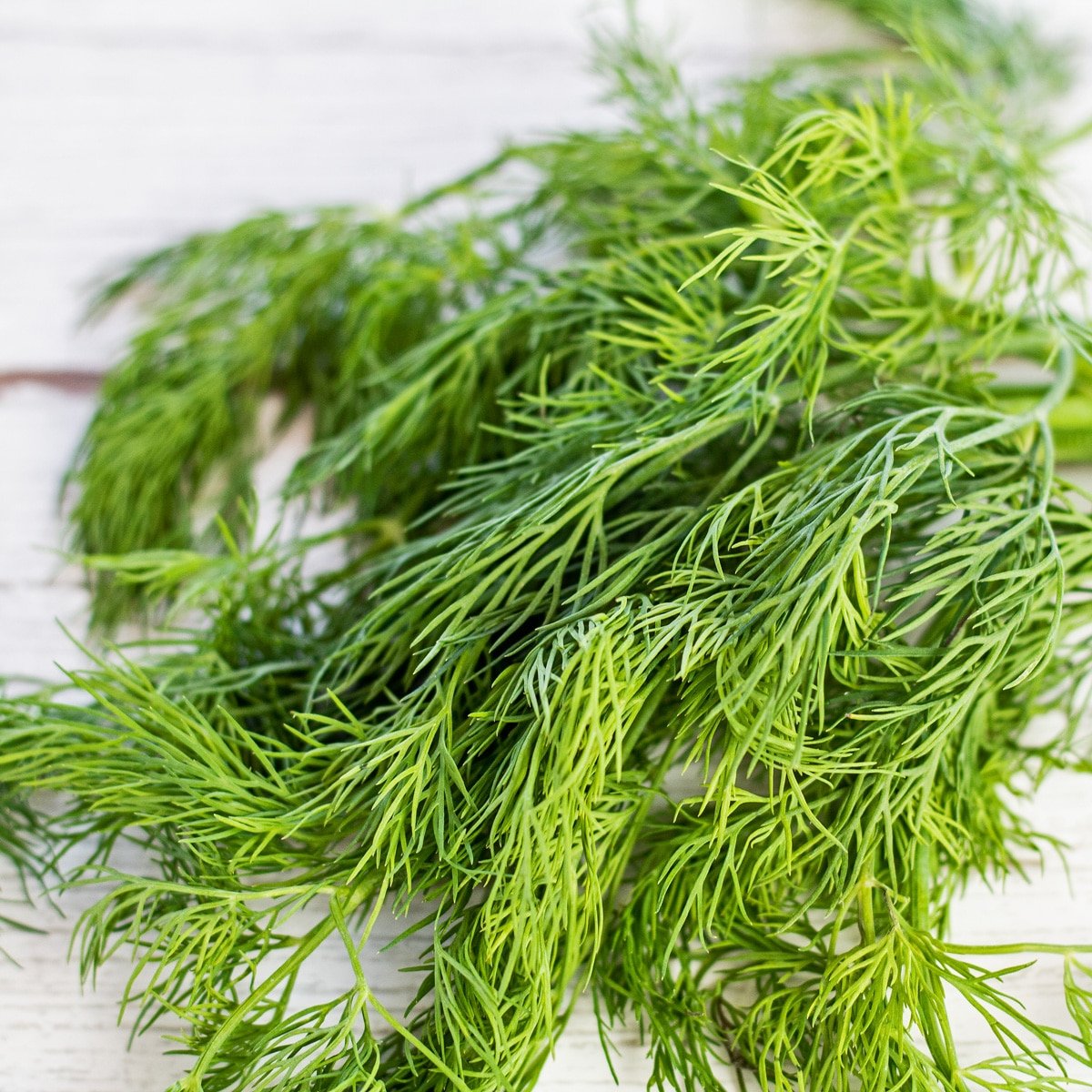
- Dill: Dill attracts beneficial insects like ladybugs and lacewings, which can help to control pests.
- Fennel: Fennel helps to repel carrot flies.

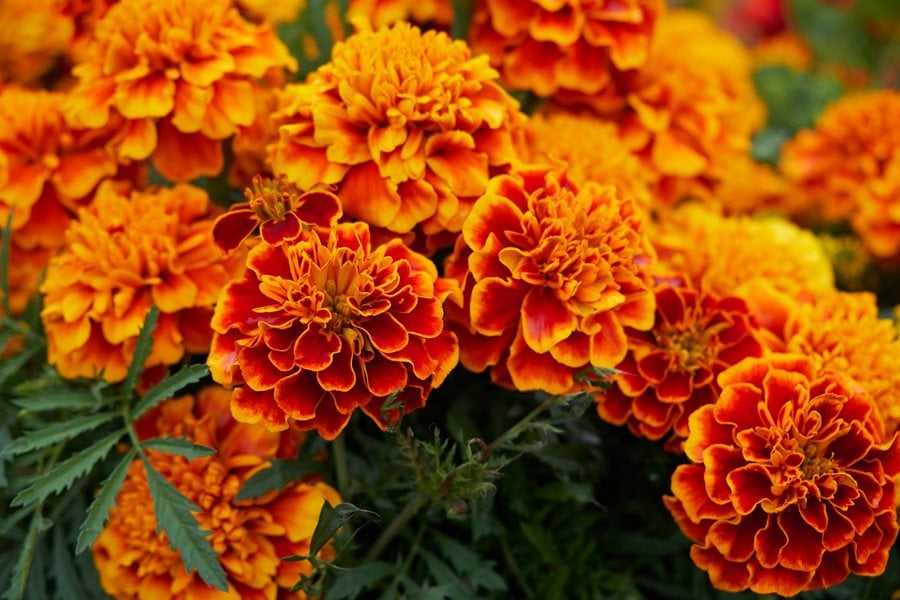
- Marigolds: Marigolds repel nematodes, which can damage plant roots.
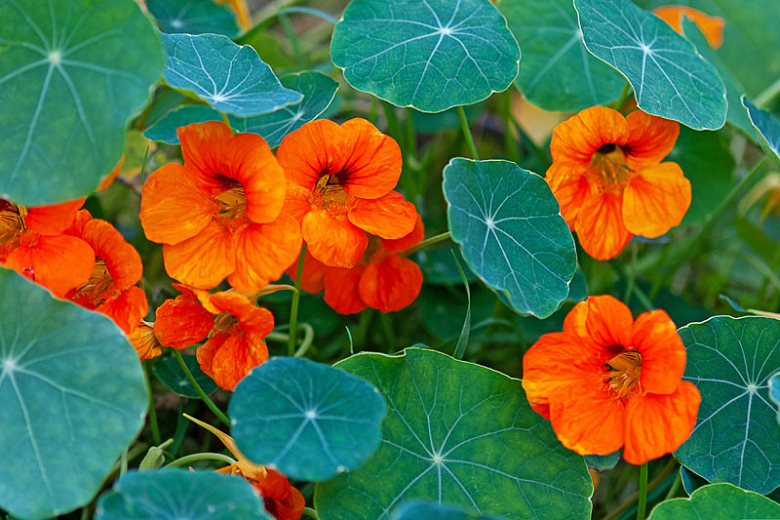
- Nasturtiums: Nasturtiums attract aphids and other pests, which can then be eaten by beneficial insects.
Conclusion
By planting the right herbs together, you can create a beautiful and productive herb garden. By following the tips in this blog post, you can ensure that your herbs thrive and that you get the most out of your garden.
Herbs that can be planted together
When planting herbs, it's important to consider their compatibility. Some herbs, such as basil and mint, can be aggressive growers and crowd out their neighbors. Others, such as dill and fennel, have different soil pH requirements and may not thrive if planted together.
To find out which herbs can be planted together, you can visit Garden Wiki. This website provides a comprehensive list of herbs and their companion plants. You can also find information about the different growing conditions that each herb prefers.
In addition to providing information about companion planting, Garden Wiki also offers tips on how to grow herbs successfully. You can find information on topics such as soil preparation, watering, fertilizing, and pest control.
Whether you're a beginner or an experienced gardener, Garden Wiki is a valuable resource for all things herbs. So if you're looking to plant a herb garden, be sure to check it out!
FAQ of herbs that can be planted together
Here are the 5 most frequently asked questions about herbs that can be planted together, along with valuable insights and solutions:
Question 1: What are some herbs that can be planted together?
- Answer: There are many herbs that can be planted together. Some popular combinations include:
- Basil and tomatoes: Basil helps to repel pests that can damage tomatoes, and tomatoes provide support for basil plants.
- Chives and roses: Chives help to repel pests that can damage roses, and roses provide support for chive plants.
- Lavender and mint: Lavender helps to repel mosquitoes and other insects, and mint helps to improve the drainage of soil.
- Parsley and carrots: Parsley helps to improve the flavor of carrots, and carrots help to deter pests that can damage parsley plants.
- Sage and rosemary: Sage and rosemary both have strong scents that help to deter pests, and they can also be used to flavor food.
Question 2: What factors should I consider when planting herbs together?
- Answer: When planting herbs together, it is important to consider the following factors:
- Sunlight: Most herbs need full sun, but some can tolerate partial shade.
- Soil type: Most herbs prefer well-drained soil, but some can tolerate clay soil.
- Water needs: Herbs have different water needs, so it is important to plant them together based on their water requirements.
- Growth habit: Some herbs grow tall and spreading, while others grow short and compact. It is important to plant herbs together that have similar growth habits so that they do not compete for space.
- Pests and diseases: Some herbs are more susceptible to pests and diseases than others. It is important to plant herbs together that have similar pest and disease resistance.
Question 3: How far apart should I plant herbs together?
- Answer: The spacing between herbs depends on the size of the herb plants. Generally, you should space herbs at least 6 inches apart, but some herbs may need more space.
Question 4: How do I know if two herbs are compatible?
- Answer: There are a few ways to know if two herbs are compatible. One way is to look up the compatibility of specific herbs online or in gardening books. Another way is to observe how herbs grow together in nature. If you see two herbs growing together in the same area, they are likely compatible.
Question 5: What are some tips for planting herbs together?
- Answer: Here are some tips for planting herbs together:
- Plan ahead: Consider the factors listed above when planning your herb garden.
- Group herbs by their needs: Group herbs together that have similar sunlight, soil, water, and growth habit requirements.
- Plant herbs in staggered rows: This will help to prevent the spread of pests and diseases.
- Water herbs regularly: Herbs need regular watering, especially during hot, dry weather.
- Fertilize herbs regularly: Herbs benefit from regular fertilization, especially during the growing season.
- Deadhead herbs regularly: Deadheading herbs will encourage new growth and prevent them from becoming leggy.
Image of herbs that can be planted together
- Rosemary, oregano, sage, thyme, lavender, and marjoram can all be planted together in a sunny spot. They have similar growing conditions and will help to deter pests.
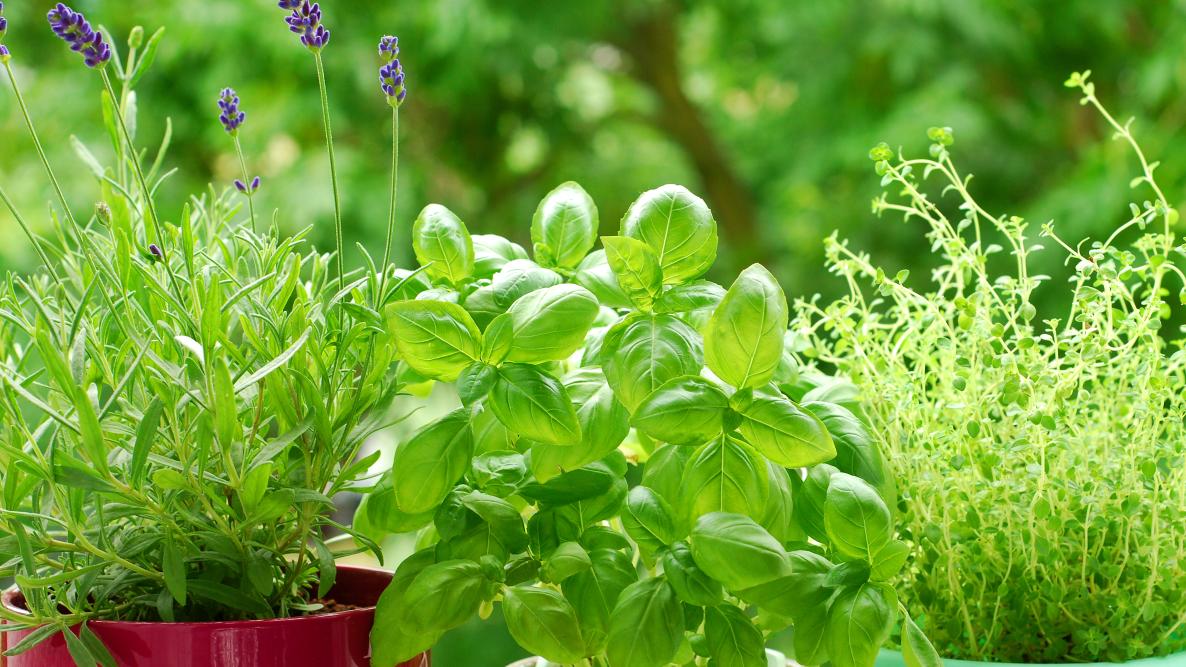
- Basil, parsley, cilantro, and tarragon are also good companions for each other. They can be planted together in a pot or in the ground. They all have different flavors, so you can use them to add variety to your cooking.

- Chives, mint, and dill are another great trio of herbs that can be planted together. They all have different heights, so they will create a layered effect in your garden. Chives and dill are both edible flowers, so you can use them to garnish your dishes.

- Beetroot, carrot, and parsley are vegetables that can also be planted with herbs. They all have different colors and textures, so they will add visual interest to your garden. Beetroot and carrot are both root vegetables, so they will help to improve the drainage in your soil.

- Tomatoes, basil, and oregano are a classic combination of herbs and vegetables. They all have Mediterranean origins and prefer warm weather. Tomatoes and basil are both known for their delicious flavor, and oregano can help to deter pests.

Post a Comment for " Herbs That Can Be Planted Together For A Flavorful And Fragrant Garden"